
Why Your Selfie Mood Matters More Than You Think (AI Says So)
· LookMood Team
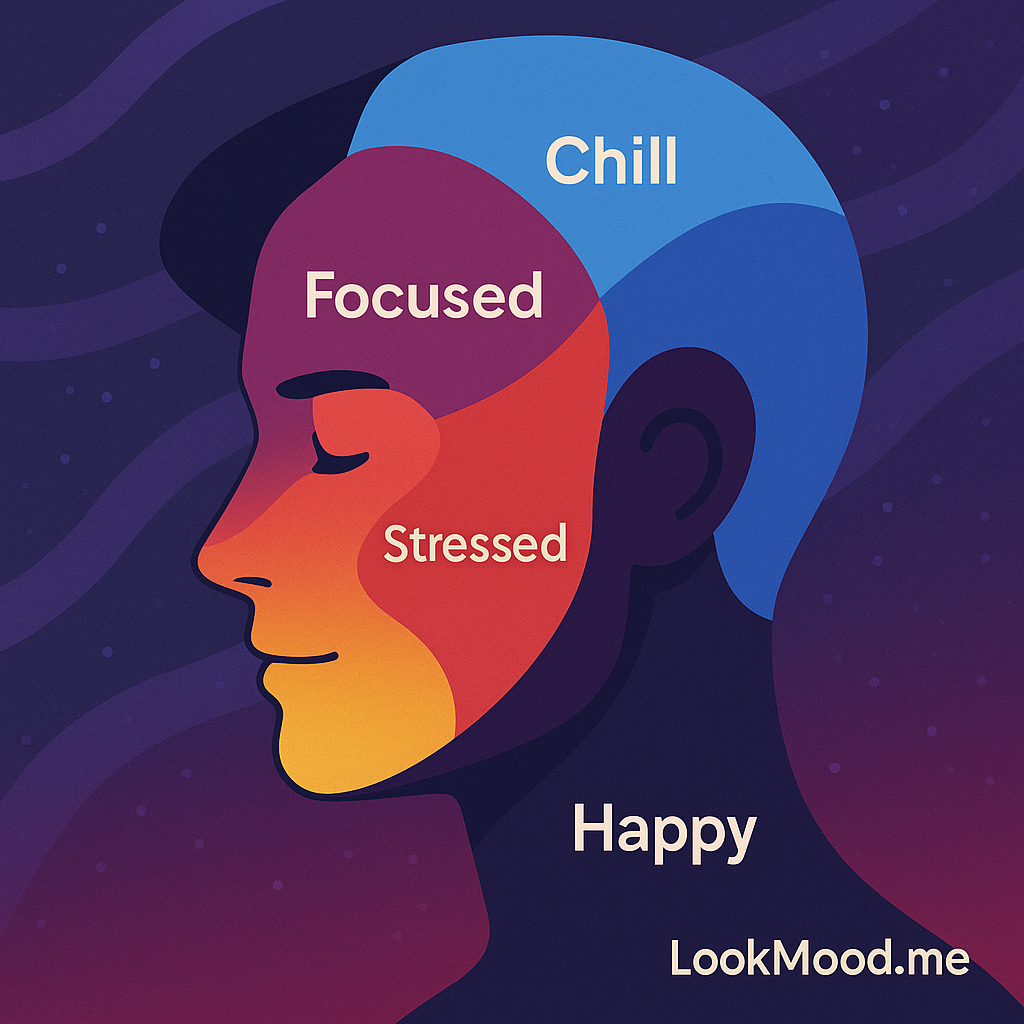
Selfies aren’t just vanity shots anymore
Ten years ago, selfies were all about capturing a good angle, finding the right light, and sharing a polished version of yourself online. But in 2025, the conversation has shifted. A selfie isn’t just a photo — it’s an emotional signal, a data point, and, increasingly, a form of self-expression that goes beyond appearance. Thanks to AI mood detection, your everyday selfie can reveal how you’refeeling, not just how you look.
The rise of AI mood analysis
Advances in computer vision, facial recognition, and emotion AI have made it possible to read micro-expressions that even humans overlook. Apps like LookMood use real-time analysis to measure subtle shifts in eye movement, mouth curvature, and even voice tone. These signals combine to form a highly accurate snapshot of your emotional state. Where traditional selfie filters once smoothed skin or changed colors, today’s AI selfie trends enhance the invisible: your mood.
Why your selfie mood actually matters
At first, the idea that your mood shows up in your selfie might sound like fun or novelty — but the implications run deeper. Here’s why:
- Mental health awareness: Daily selfies can help detect early signs of stress, sadness, or burnout. A simple mood tracker app can chart patterns over time, giving you insights you might otherwise miss.
- Performance optimization: Checking your emotional state before an interview, presentation, or exam can help you adjust in real time.
- Social connection: Sharing selfies tagged with your emotional analysis builds authenticity and resonates more than picture-perfect photos.
AI selfies in action: real-world scenarios
Imagine a student taking a quick selfie before logging into an online class. Instead of just showing a face, the app detects signs of fatigue and suggests a short stretch break. Or picture a content creator who wants to connect with their audience: instead of only uploading a polished headshot, they share a selfie stamped with “Feeling Chill 😌” — a mood that instantly makes them relatable.
These aren’t hypothetical use cases. This is already happening in wellness platforms, streaming prep tools, and workplace productivity apps. Selfies are becoming part of daily emotional journaling.
The science behind emotional selfies
The field of affective computing is built on the idea that technology can recognize and respond to human emotions. Micro-expressions — fleeting facial cues lasting less than half a second — reveal emotions we may not consciously express. By sampling video frames and pairing them with audio cues, AI can create an emotion profile that’s far more objective than asking “How do you feel right now?”
In LookMood’s system, each selfie session produces a scorecard that highlights percentages for moods like Happy, Chill, Focused, Confident, or Dramatic. This quantitative approach makes emotional data easy to compare over time.
Benefits beyond social media
- Wellness tracking: Like a fitness tracker counts steps, mood trackers count emotional states.
- Personal growth: By reviewing your mood journal, you can identify what routines, sleep cycles, or habits affect your emotional wellbeing.
- AI coaching: Paired with insights, selfies can trigger suggestions like “Try a 2-minute breathing exercise” or “Play calming music.”
Concerns and privacy
Of course, whenever AI meets personal data, the question of privacy comes up. The best mood detection apps — including LookMood — ensure that your selfies and results remain private unless you choose to share. Data is stored securely, and you can delete or export it anytime. The goal isn’t surveillance — it’s self-awareness.
The bottom line
Your selfie mood matters because it connects the dots between how you look and how you feel. With AI-powered emotional analysis, a simple photo can become a window into your mental state, a tool for better daily decisions, and a step toward authentic digital connection. In short: your selfies are no longer just images — they’re insights.
And as more people adopt AI selfie trends in 2025, expect mood-aware content to dominate feeds, wellness apps, and even professional spaces. The next time you snap a selfie, remember: you’re capturing more than a face. You’re capturing a feeling.