
Why Mood-Based Video Communities Are the Next Wave After TikTok
· LookMood Team
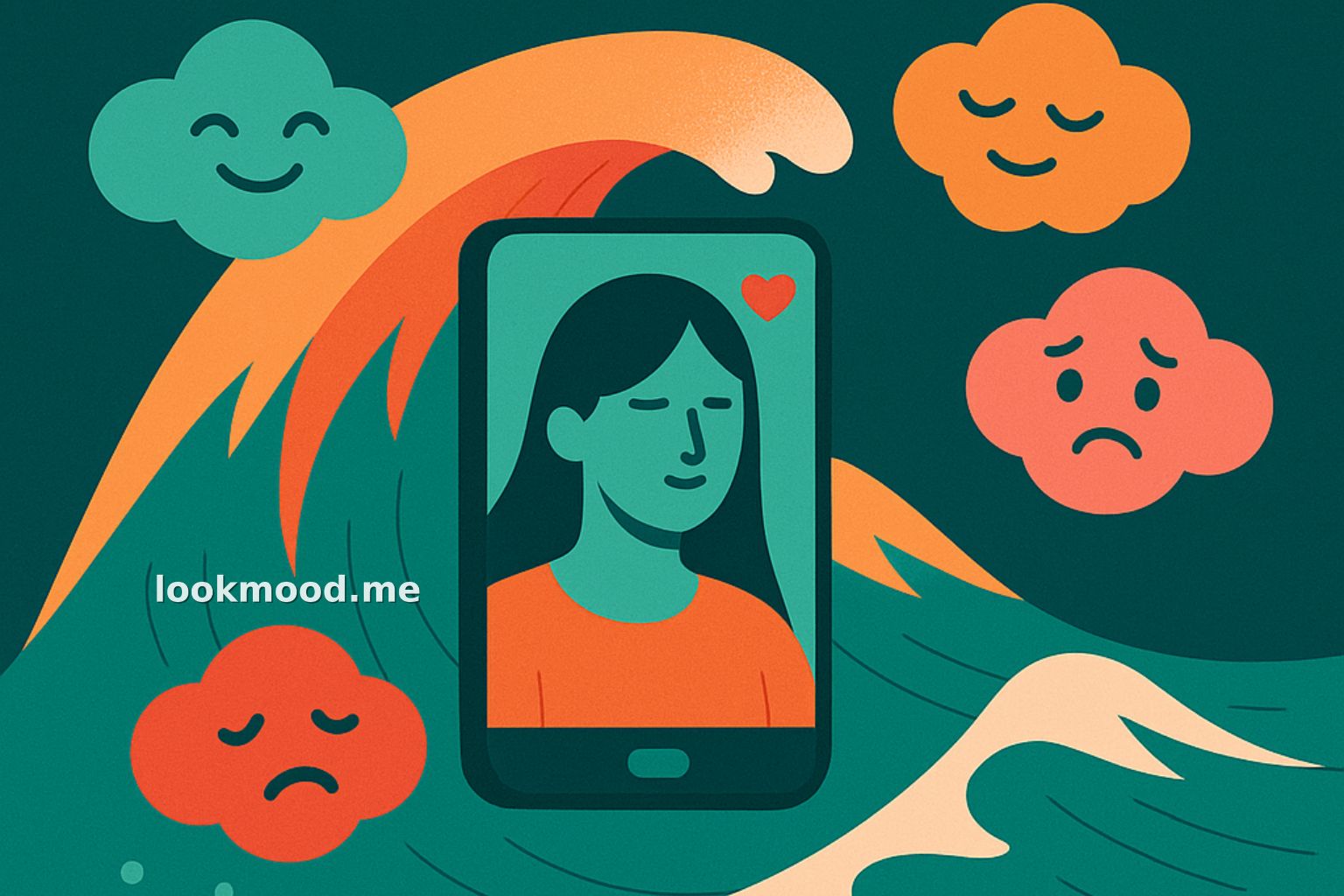
TikTok didn’t replace YouTube by being “better video” — it replaced the emotional contract between viewer and creator. We moved from subscribing to identities to sampling moments. Now a new shift is forming: feeds not just sorted by topic or popularity, but by mood, state, and emotional intent. This isn’t niche — it is the logical next layer after attention has been fully commoditized.
The next wave of video is not “more viral” — it is more human-filtered by mood.
Why the era after TikTok is an emotional era, not a shorter era
We have already optimized for speed, compression and discovery. The remaining bottleneck is not supply — it is emotional relevance. Three structural forces make a mood-based layer inevitable:
- Content saturation: there is too much to watch; mood filters meaning from noise.
- Viewer intention shift: people don’t always want “more” — they want “right for now”.
- AI personalization maturity: feeds can finally classify states, not just topics.
The same way TikTok turned seconds into a currency, mood sorting turns emotional fitness into a new selection layer.
How a mood-based feed changes who posts and who stays
Traditional feeds privilege charisma, editing speed, and luck. Mood feeds privilege relatability and resonance. That redistribution matters:
- Creators with emotional clarity — not just aesthetics — begin to win.
- Quiet categories (calm, studying, reflective talk) finally surface.
- Communities form by feeling, not fandom — retention rises.
The incentive shifts from “perform louder” to “express truer”.
Why people actually want mood-aligned spaces (even if they don’t say it)
Ask users why they scroll — they’ll say entertainment. Observe behavior — it is regulation: boredom, stress, loneliness, celebration, dread, anticipation. Mood feeds acknowledge the actual job to be done: right emotion, right now, without the emotional tax of mismatch.
The feed is already a mood regulator — mood labeling makes it intentional instead of accidental.
Test in a live mood-aware environment (without starting from zero)
If you are already making shorts, upload them to LookMood’s Short Videos feed to see how they behave when viewers arrive with declared emotional intent.
If your theme hides links in some views, here’s the plain URL:
https://lookmood.me/short-videos
Strategic implication for creators and brands (this is the unlock)
When feeds segment by mood:
- Positioning changes: “who do I reach” becomes “when do I reach them”.
- Hook writing changes: you speak to a state, not a category.
- Conversion changes: aligned mood = lower persuasion cost.
That is not a UX tweak — that is a new marketplace of attention.
TikTok proved that new formats dethrone old ones not by features but by changing the emotional contract between creators and audiences. The contract is shifting again — toward mood, intention, and inner state as the primary index. Those who learn to create for emotional alignment, not just visibility, will own the next cycle.