
The Rise of Emotion Tech: How AI Is Learning to Feel
· LookMood Team
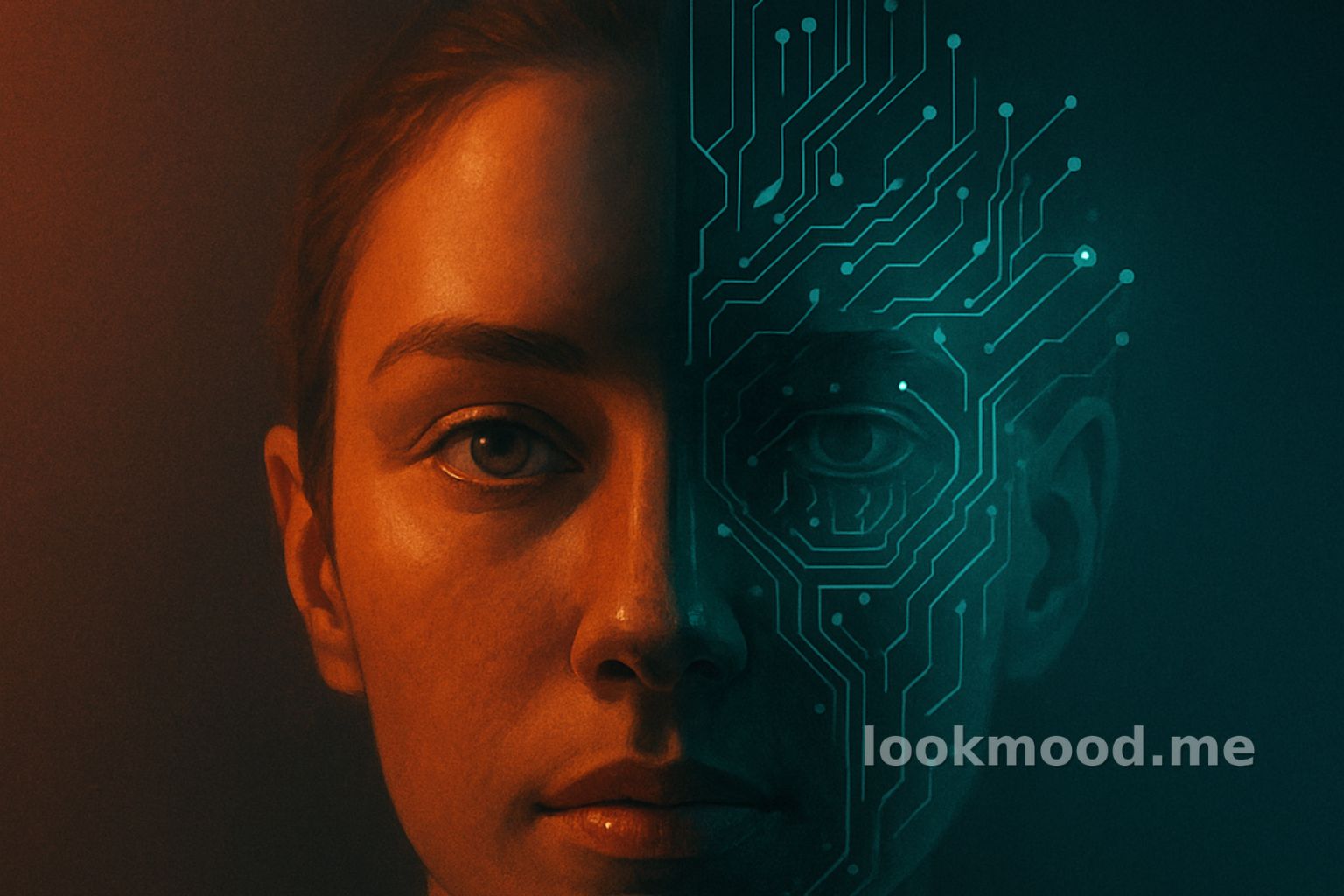
We taught machines to see, speak, and calculate. Now we’re teaching them to feel. That’s the quiet revolution known as Emotion Tech—the branch of artificial intelligence that helps computers understand human moods, tone, and expression.
“Your phone already knows where you are. Soon, it will know how you feel.”
What exactly is emotion technology?
Emotion Tech, or affective computing, is the science of giving machines the ability to sense, interpret, and even respond to human emotions. It spans everything from facial recognition and voice tone analysis to sentiment tracking in text. In essence, it’s an attempt to make technology emotionally intelligent.
The emotional layer is the next evolution of user experience. Until now, AI has been logical and linguistic. But humans don’t just communicate in words — we communicate through energy, micro-expressions, pitch, pauses, and posture. Emotion Tech bridges that gap.
- Facial Emotion AI: uses models like face-api.js or OpenAI’s multimodal GPT-4o to read expressions.
- Voice Mood Analysis: interprets tone, volume, and pacing to sense confidence, calmness, or anxiety.
- Behavioral Signals: combines interaction patterns and biometric cues to predict mood trends over time.
Why emotion matters in technology
For decades, we’ve tried to make machines smarter. The next step is making them warmer. Emotion Tech transforms user interaction from transactional to relational. Imagine mental-health apps that detect sadness in your tone, or learning platforms that sense when you’re frustrated and adjust difficulty dynamically.
When AI understands emotion, it stops being just a tool — it becomes a companion that listens, not just processes.
Emotion Tech already drives recommendation systems on social platforms. Your “For You” feed isn’t just about what you clicked — it’s about how your past interactions felt. As models evolve, emotional context will personalize everything from entertainment to healthcare.
The science of teaching AI to feel
Under the hood, emotion recognition blends computer vision, natural language processing, and acoustic modeling. Facial analysis systems detect muscle movements linked to basic emotions like happiness or fear. Voice AI models like Whisper and wav2vec extract emotional cues from pitch and tempo. When combined, they form a multi-modal understanding of human sentiment.
These models don’t actually “feel” — but they approximate patterns of feeling so accurately that their outputs can mirror empathy. That’s why developers increasingly use contextual emotion models: AI trained not just on faces or words, but the story surrounding them.
The ethics of emotional AI
Of course, emotion is intimate data. When a camera reads your face or a microphone listens to your tone, it’s peering into a layer of identity deeper than biometrics. That raises hard questions: Who owns emotional data? How do we prevent misuse or bias in interpretation? Can empathy be commodified?
Cultural context adds another layer. A smile doesn’t mean the same thing in every culture. Training AI on narrow datasets can reinforce bias, misreading expression across ethnicities or neurodiverse conditions.
The challenge isn’t just building AI that understands emotion — it’s ensuring it understands everyone’s emotion.
Where emotion tech is heading next
In the next five years, emotion detection will merge with augmented reality and wearables. Smart glasses will track micro-expressions; earbuds will analyze vocal stress. Your digital twin will evolve with your moods — a real-time reflection of your emotional landscape.
This convergence means that interfaces will adapt dynamically: music playlists that sense melancholy, meeting tools that detect team tension, even cars that dim cabin lights when they sense anxiety. The boundary between emotional wellness and computing will blur.
LookMood and the emotional frontier
At LookMood, we see emotion tech as more than measurement — it’s meaning. Our goal is to help users not just capture moods but understand them. Whether it’s through Core OS facial analysis or MoodPlay voice interpretation, each interaction helps people reflect on their own emotional rhythms.
The magic happens when data turns into insight: when a smile score or a vocal tone transforms into self-awareness. That’s where AI meets empathy.
“If technology can understand emotion, maybe it can help us understand ourselves.”
The bottom line
Emotion Tech isn’t about replacing human feeling — it’s about extending it into digital space. It invites a world where your devices respond not only to what you do, but to how you are. And that shift — from command to connection — might be the most human evolution in AI yet.
We’ve entered the age where emotion itself is data — not to exploit, but to explore. The question isn’t whether AI can feel; it’s whether we can use it to feel better.